
Art, Design, Fashion: Schools, studies and degrees
You want to follow an artistic program in France
Higher Schools of Art
Public postsecondary specific schools of art and design
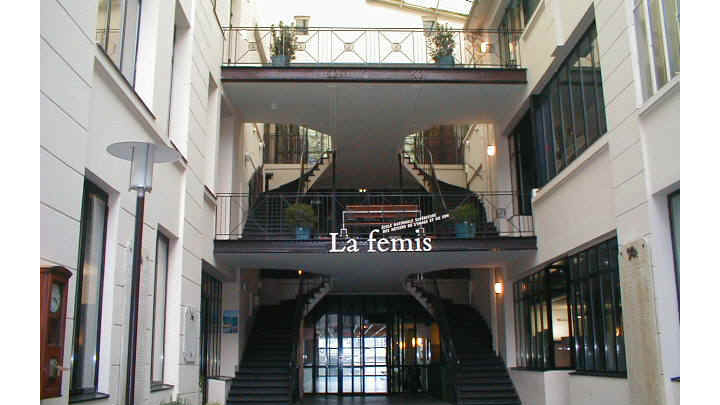
These state-funded national schools award their own qualifications.
Some qualifications from institutions lead to a Master’s degree in applied arts, fine arts, visual arts, design and creation, textile design, industrial design and photography:
- École Nationale Supérieure des Arts Décoratifs (ENSAD), Paris
- École Nationale Supérieure des Beaux-arts (ENSBA), Paris
- École Nationale Supérieure de la Création Industrielle (ENSCI-Les Ateliers), Paris
- École Nationale Supérieure de la Photographie (ENSP), Arles
- Le Fresnoy – Studio National des arts contemporains, Tourcoing
Deux écoles proposent un cursus de 2 à 4 ans en cinéma et théâtre :
- École Nationale Supérieure des Arts et Techniques du Théâtre (ENSATT), Lyon
- “La Fémis” – École Nationale Supérieure des Métiers de l’Image et du Son (ENSMIS), Paris
Public, national and regional higher education institutions for art and design
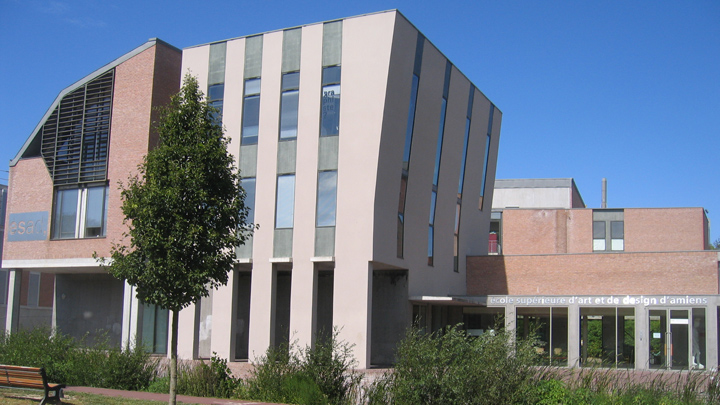
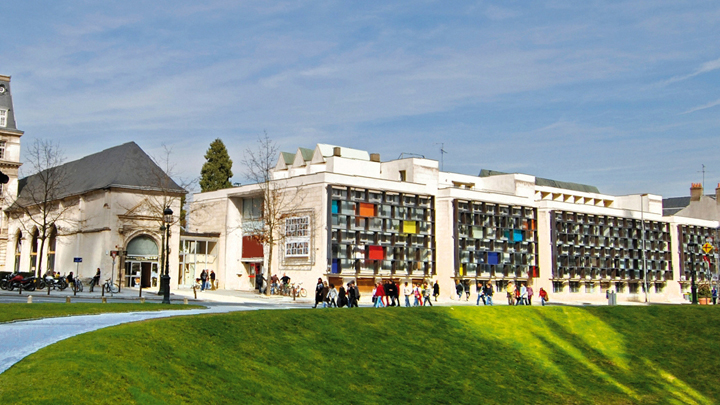

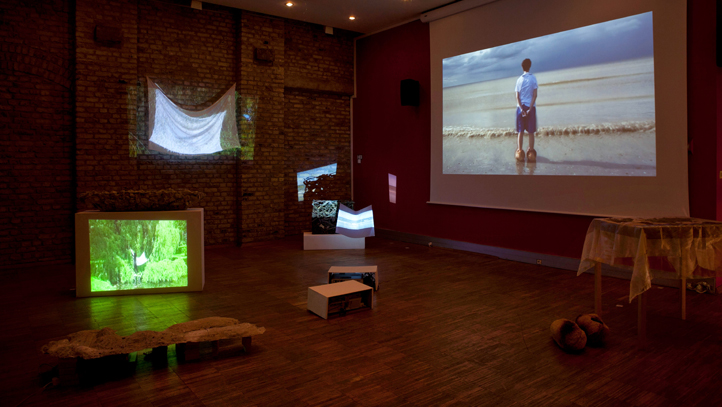
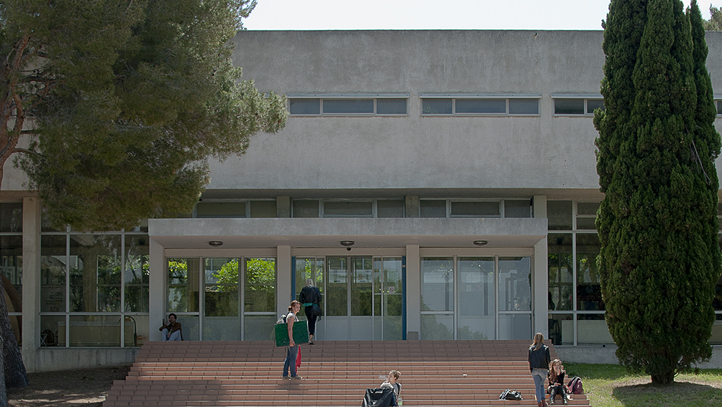

44 higher education institutions for art and design, which fall under the remit of the Ministry of Culture (the 10 national schools are under the joint remit of the Ministry of Higher Education and Research), offer courses in the visual and plastic arts (contemporary art and design) and are located throughout France. They combine training and development the artistic process, theoretical aspects, research and experimentation, closely linked to the world of contemporary art and design. They offer courses organised into two cycles (3 years and 5 years), leading to national qualifications and conferring the degree of Bachelor’s and Master’s respectively.
Public postsecondary schools of applied arts
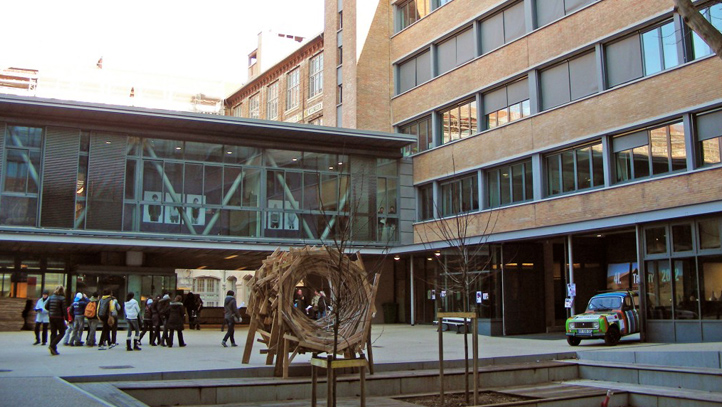
The French arts and crafts sector comprises more than 38,000 workshops, 100,000 craftspeople and 217 professions across 19 specialities. The ESAA offer national qualifications in highly specialised fields through two- to four-year courses, leading to careers in the design sector: graphic design (media and multimedia), spatial design (interior architecture, living environments, scenography), fashion, textiles and the environment, product and service design, and the arts and crafts (textiles, jewellery, bookbinding, glass, ceramics, etc.).
List of Schools of Applied Arts:
https://designetmetiersdart.fr
Conservatories

Music, dance, drama… There are four main types of conservatoires in France: the National Higher Conservatoires of Music and Dance (CNSMD – of which there are only two in France: one in Paris and one in Lyon), the Regional Conservatoires (CRR), the Departmental Conservatoires (CRD) and the Municipal Conservatoires (CRC). The CNSMDs, CRRs, CRDs and CRCs work in partnership with universities and offer courses that form part of the Bachelor’s-Master’s-Doctorate (LMD) system.
List of conservatoires:
www.culture.gouv.fr/Sites-thematiques/Musique/Enseignement-formation-et-metiers
Schools for the preservation
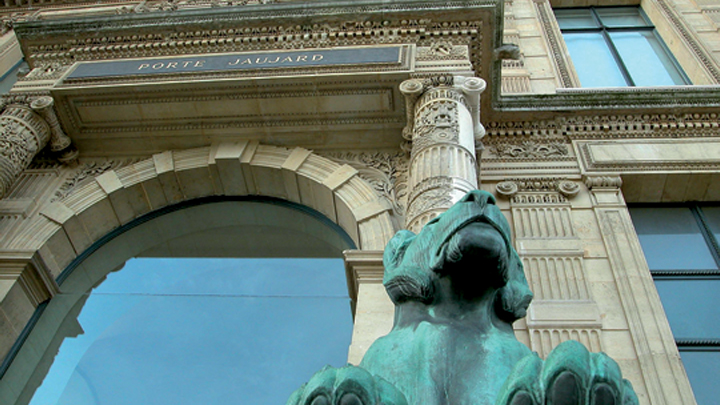
Within the public sector, three heritage colleges offer high-level training programmes. Some of these professions are linked to knowledge of heritage (art historians, heritage educators), whilst others are linked to its preservation (heritage curators, architects specialising in historic monuments, conservators, etc.):
- École du Louvre (EDL), Paris : Undergraduate, postgraduate, doctoral degree, museology
- École Nationale des Chartes (ENC), Paris
- Institut National du Patrimoine (INP), Paris
Other public institutions award qualifications specialising in conservation, restoration, heritage, etc.: the École Supérieure d’Art et de Design TALM – Tours, The École Supérieure d’Art d’Avignon, …
Private postsecondary schools of art
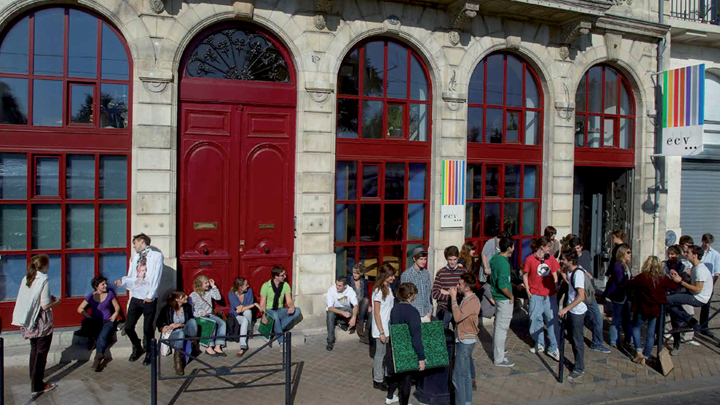
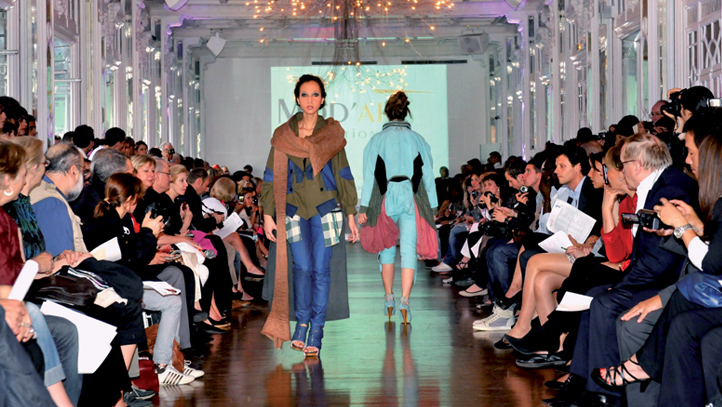

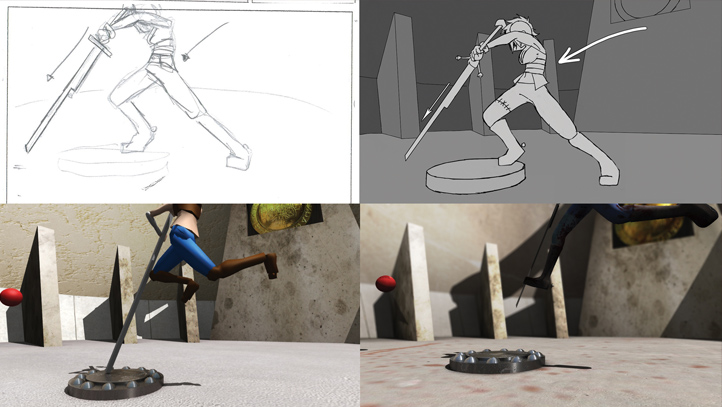
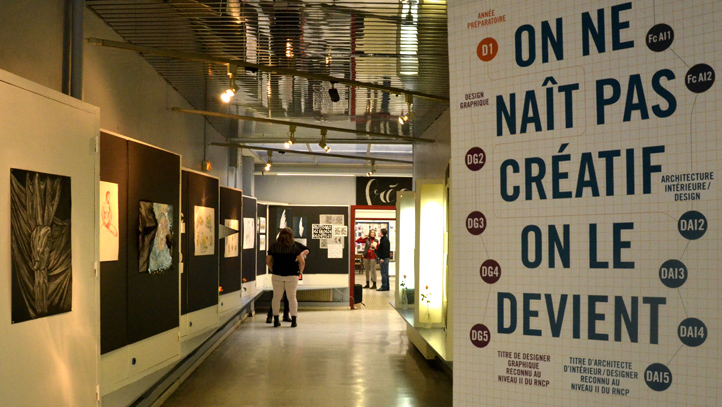

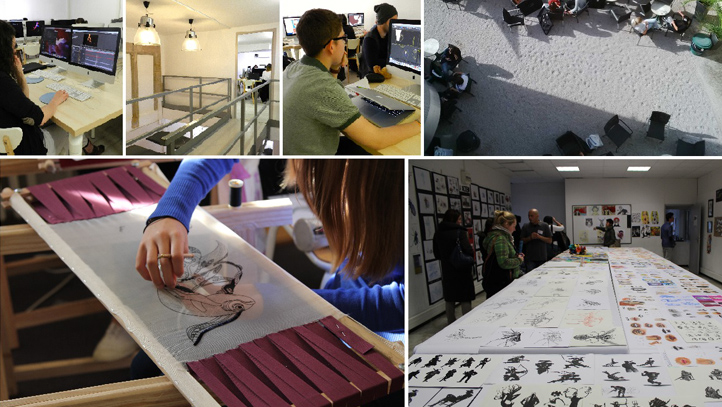
Many private schools offer 3- to 5-year postsecondary programs. The degrees are particular to each school and vary widely in cost and quality. Some of the certificates and titles conferred are registered in the RNCP, the National Directory of Professional Certification. The National Directory of Professional Certification (https://www.francecompetences.fr) is the official organization under ministerial supervision, responsible for validating these degrees and classify them according to the level of employment. (https://www.francecompetences.fr).
Universities
Historical and theoretical arts courses in France – art history, theatre, film and music – are mainly offered by universities as part of a comprehensive programme of study: Bachelor’s, Master’s and PhD.
These interdisciplinary theoretical courses incorporate practical elements in the case of vocational Bachelor’s and Master’s degrees.
Universities offer three major art tracks:
- Performing arts: courses in film analysis, the history of stage direction, dance, music…
- Visual arts: art history, analysis of works of art, aesthetics…
- Art history: the history of artistic creation, painting, sculpture, architecture…
Research in the arts is carried out by more than a hundred research teams affiliated with around thirty Doctoral Schools (EDs) spread across the country.
Note: French universities are currently the only institutions in France to award Master’s degrees. (Most public art colleges award qualifications conferring the rank of Master’s.)
The term ‘Master’s’ sometimes gives rise to ambiguities on the websites of certain private institutions, which the National Commission is specifically seeking to clarify.
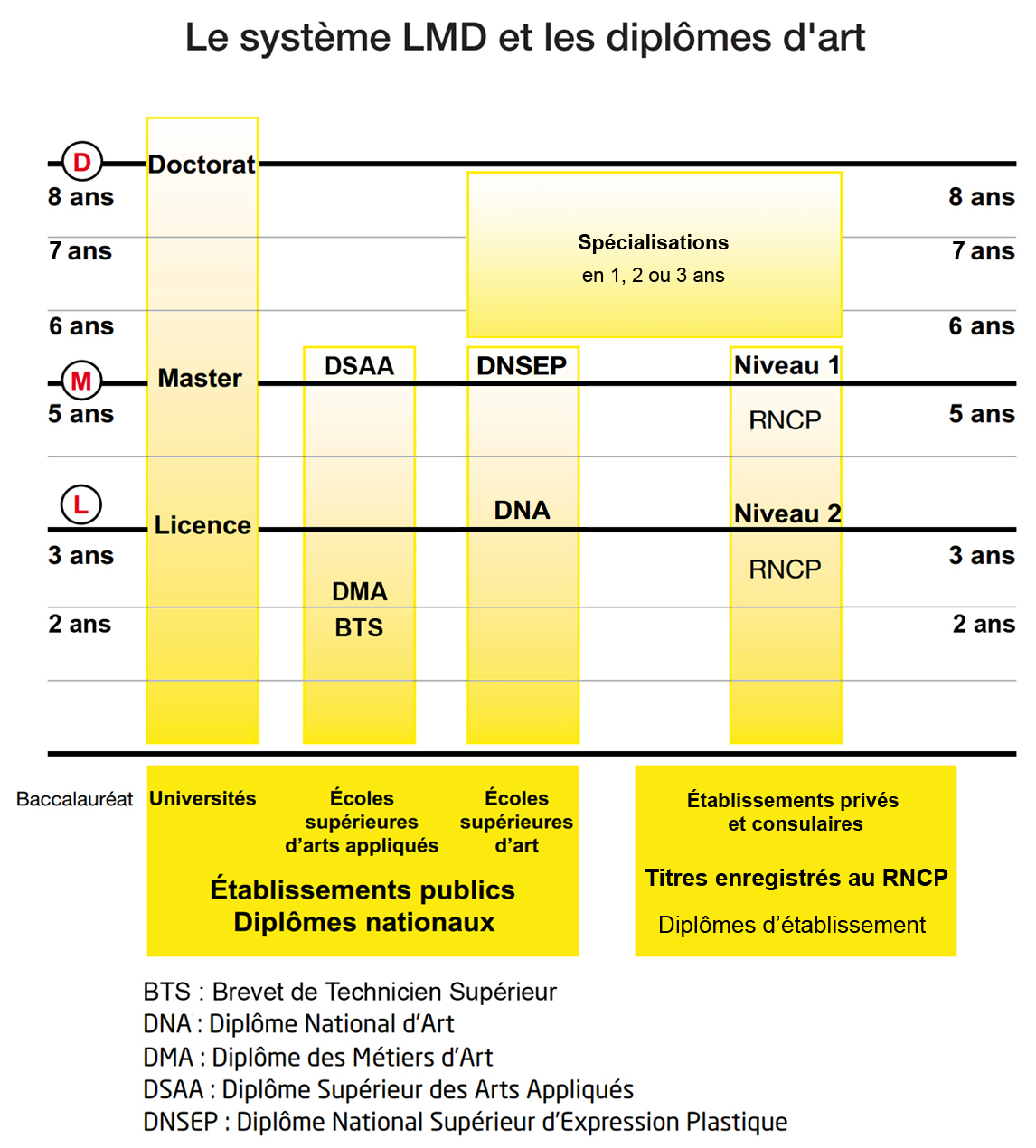
Art degrees and Culture within the LMD system
Art school admissions
Following the baccalaureate or equivalent, or after a preparatory year, or even two years’ study in the arts, admission to public art schools (nearly 60) or private art schools and conservatoires is based on a selective entrance examination and the submission of an artistic portfolio.
There are numerous courses available to prepare students for the entrance examinations to public and private art schools.
- Liste des classes préparatoires publiques appartenant au réseau l’Association nationale des classes Préparatoires Publiques aux Écoles Supérieures d’Art (APPEA):
www.appea.fr (List and map of schools) - List of classes and preparatory courses offered at art colleges:
www.andea.fr/formations/classes-preparatoires
Degrees, certificates and titles
Recognition and certification of qualifications
The National Commission for Professional Certification is an agency state charged with developing a new classification of certification levels, could allow the European and international comparisons through transparency implies. Outside of qualifications in higher education Level I and II (bachelor, master, diploma referred …), all certifications should be included soon.
WARNING: many institutions, generally private, yet call degrees they issue “Master”; it is not Master degree (awarded by the University), but establishment titles which are described only Master level: an indication of the number academic years after the baccalauréat. To be eligible to enroll in 3 cycle University degree (PhD) must have a diploma conferring the rank of Master.